Can I travel to Morocco with just a passport? 2026 entry rules
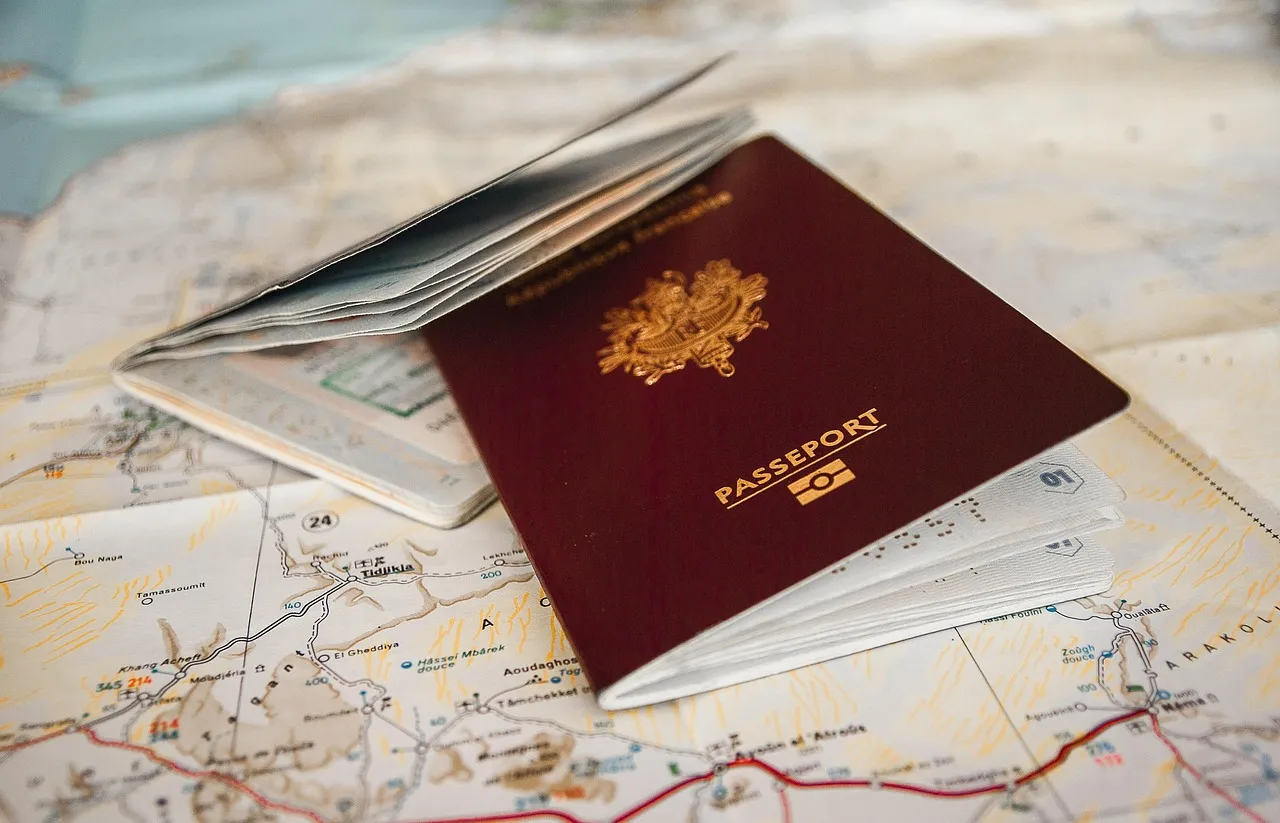
Yes, for a holiday in Morocco a passport is all Italian citizens need. No visa is required for stays of up to 90 days, but the passport is essential: the identity card is not accepted, not even on an organised tour. The same visa exemption applies to many other nationalities, including EU and UK citizens. In this guide, updated for 2026, you will find everything you need to know about documents, passport validity, minors, arrival checks, the e-Visa, customs and insurance.
Which documents Italian citizens need
According to the Morocco page of Viaggiare Sicuri, the Italian Foreign Ministry’s travel advice website, a passport is required to enter Morocco, valid for at least the whole length of your stay. The Moroccan authorities likewise ask for a passport valid for the entire period of your visit.
Our advice is not to cut it fine: if your passport expires a few weeks after you get back, a delay or an unexpected problem could leave you in difficulty, and some airlines and tour operators apply more cautious checks. Check the expiry date when you book and, if necessary, apply for a renewal straight away: waiting times can be long at busy periods.
An identity card is not enough
This is the most common mistake among travellers from Italy. An identity card, even one valid for travel abroad, does not allow entry into Morocco. The French Foreign Ministry states it plainly: a passport is compulsory even for groups on organised tourist trips. Old information about exceptions for groups still circulates online: do not rely on it.
| Document | Required? | Notes |
|---|---|---|
| Passport | Yes, compulsory | Valid for at least the whole stay |
| Identity card | Not accepted | Not even on organised tours |
| Tourist visa | No | For stays of up to 90 days |
| Return ticket | May be requested | Keep it handy, digital copies included |
| Proof of sufficient funds | May be requested | Payment cards, hotel or tour bookings |
| Health insurance | Not compulsory | Strongly recommended |
How long you can stay without a visa
With an Italian passport you can stay in Morocco as a tourist for up to 90 days without a visa. If, exceptionally, you need to stay longer, you must ask the Moroccan immigration services for an extension before your permitted stay runs out; official French sources state that the extension cannot exceed a further three months. Overstaying without authorisation can lead to a fine and expulsion with a ban on re-entry.
For work, study, internships or residence a passport alone is not enough: you need the relevant visa, to be applied for at a Moroccan embassy or consulate in your country.
Morocco’s e-Visa: who needs it
Since 10 July 2022 Morocco has issued an electronic visa, the e-Visa, through the official platform acces-maroc.ma. It is intended only for nationalities that require a visa and, when it was launched, was valid for a stay of up to 30 days. Italian citizens do not need it. It may, however, concern someone travelling with you: a relative or friend with another nationality, or a resident of Italy holding a passport from a country that requires a visa. In these cases check the conditions on the portal or with the Moroccan consulate, as the list of eligible countries changes over time. Beware of intermediary websites charging high fees.
Travelling with children
Children and teenagers must also have their own valid passport. For Italian children under 14 travelling without at least one parent, Italian law requires a declaration of accompaniment (dichiarazione di accompagno), issued by the Questura (it can also be requested online through the State Police passport service), either on paper or noted directly in the passport.
Moroccan border officers may also ask questions about minors. For this reason, official French sources recommend carrying a document proving parentage, such as a birth certificate, and an authorisation from the other parent if the child is travelling with only one parent. It is a simple precaution that avoids discussions at passport control.
What happens on arrival
Since 2019 Moroccan airports no longer require the old paper landing card. At passport control the officer records your entry and puts a stamp in your passport: check that it is there, because without an entry stamp you could unknowingly find yourself in an irregular situation when you leave. On a first visit a number is usually written in the passport too.
The Italian Foreign Ministry points out that foreign travellers may be asked to show a return ticket and proof of sufficient funds for their stay. If you have booked a tour, keep the confirmation to hand. Those arriving by sea, for example on the ferries from Genoa to Tangier, go through similar checks at the port: that is also where our tours from Tangier begin.
Customs and currency: the rules on the dirham
The local currency is the Moroccan dirham (MAD). The main rules:
- The dirham cannot be freely exported: the Italian Foreign Ministry states that leaving Morocco with local currency is prohibited. Morocco’s Office des Changes allows only a small amount, up to 2,000 dirhams in banknotes. Change the rest before you leave.
- At the end of your trip you can change dirhams back into euros or pounds on presentation of your exchange receipts: keep them.
- Bringing in foreign currency is unrestricted, but it must be declared at customs above the threshold set by the Moroccan authorities (100,000 dirhams).
- Drones are prohibited without prior authorisation and may be confiscated on arrival.
- Personal medicines should be carried in their original packaging, with the prescription.
To plan a realistic budget, you may find our guide on how much a trip to Morocco costs useful.
Travel insurance
It is not compulsory for entry, but the Italian Foreign Ministry strongly recommends it, with cover for medical expenses and medical repatriation. Public facilities are not at European standards, and private clinics, which are adequate in the big cities, can be expensive; they often ask for payment before discharge. Read the policy terms carefully, especially if you plan activities such as quad biking, trekking or nights in the desert. For more practical safety advice, see our guide on how safe Morocco is for tourists.
Checklist before you leave
- Check the passport expiry date of every traveller, children included.
- If you are travelling with minors, prepare the declaration of accompaniment or proof of parentage.
- Check whether anyone in your group has another nationality and needs a visa or e-Visa.
- Take out travel health insurance.
- Italian citizens can register their trip on Dove siamo nel mondo; save your embassy’s contact numbers in Rabat.
- Carry a digital copy of your passport and bookings.
Plan your trip with peace of mind
Once your documents are sorted, the best part remains: choosing your itinerary. Tour al Marocco organises private trips with a driver from Marrakech, Fes, Casablanca, Tangier and Merzouga, with an Italian-speaking driver or guide on request and no full payment in advance. If you haven’t chosen your dates yet, take a look at the best time to visit Morocco, then get in touch to build your trip together.
Frequently asked questions
Can I enter Morocco with an electronic identity card?
No. Italian citizens need a passport, even on organised tours. Identity cards, electronic or paper, are not accepted.
How many months of validity does my passport need?
Official sources require validity covering at least the whole stay. To be safe, it is worth having a few months’ margin and checking your airline’s rules.
Do Italians need to apply for the e-Visa?
No. The e-Visa, available since 10 July 2022, only concerns nationalities that require a visa. With an Italian passport you can enter without a visa for tourism for up to 90 days.
Can I take leftover dirhams home?
Only a small amount, up to 2,000 dirhams according to the Office des Changes. It is best to change the rest back before passport control, with your exchange receipts.