Summer holidays in Morocco: travelling in July
Morocco is one of the most fascinating destinations for a summer holiday, offering a unique mix of culture, history, breathtaking landscapes and authentic traditions. Travelling in July means immersing yourself in a hot climate but with plenty of opportunities to discover imperial cities, unspoilt beaches, imposing mountains and the magic of the desert.
Morocco is a country that enchants with its diversity. In July, despite the high temperatures, especially inland and in the desert, the coastal regions and the mountains offer a milder climate, ideal for excursions and relaxation. The main cities, such as Marrakech, Fes and Casablanca, are alive with cultural activities, traditional markets and an unforgettable atmosphere.
July is also an excellent time for anyone who wants to combine sea, culture and adventure. The Atlantic and Mediterranean beaches are perfect for cooling off, while the interior offers unique experiences such as nights under the stars in the Sahara or hikes in the High Atlas.
Travelling in Morocco in July
In July, Morocco has a hot climate, with temperatures that vary by region:
- Imperial cities (Marrakech, Fes, Meknes): temperatures can exceed 35°C, with peaks of 40°C during the hottest hours. Evenings are cooler, but the air stays dry.
- Atlantic coast (Essaouira, Agadir): thanks to the ocean breeze, temperatures are milder, between 25°C and 30°C, ideal for a seaside holiday.
- Sahara desert: the daytime heat is intense (up to 45°C), but at night the temperature drops considerably, creating a magical atmosphere.
- Mountains (High Atlas, Ifrane): the mountain areas have a cooler climate, perfect for trekking and walks.
Despite the heat, July is a lively month for tourism, with many festivals and traditional events across the country.
Unmissable destinations for a trip to Morocco in July
1. Marrakech: history and energy
Marrakech, with its UNESCO-listed medina, is a must. Jemaa el-Fna square, the beating heart of the city, turns into a stage for musicians, snake charmers and traditional food vendors in the evening. The souks are a labyrinth of colours and scents, where you can buy spices, fabrics and local crafts.
To escape the heat, the Majorelle Gardens and the Bahia Palace offer cool oases. A visit to a traditional hammam is a restorative experience after a day of exploring.
2. Essaouira: the pearl of the Atlantic
Essaouira, facing the ocean, is an ideal destination for anyone looking for relaxation and sea breezes. The town, also made famous by the series "Game of Thrones", is a gem of Portuguese and Arab architecture. Its beaches are perfect for windsurfing, while the UNESCO-listed medina enchants with its white and blue streets.
3. The Sahara desert: an unforgettable adventure
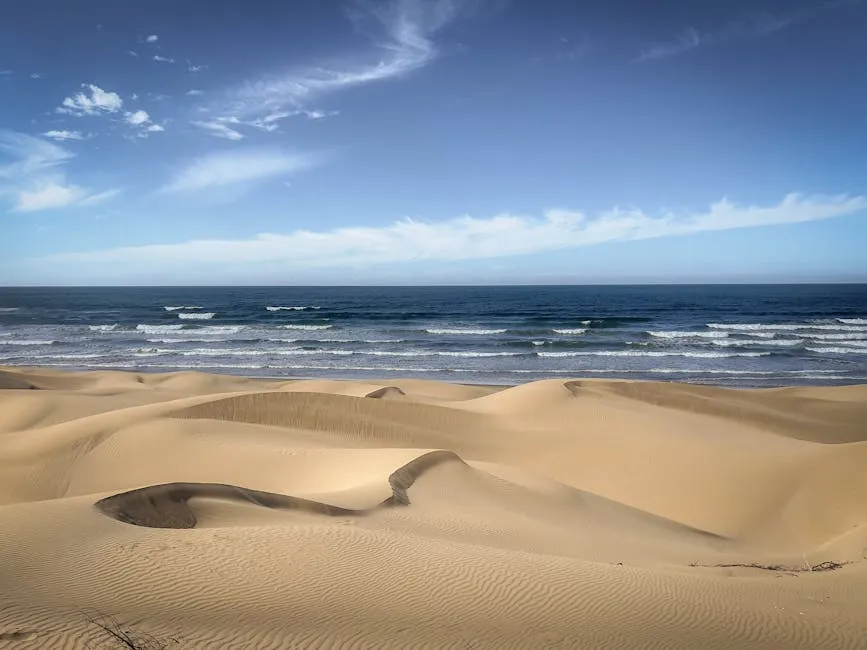
A tour of Morocco is not complete without an excursion into the desert. Merzouga, with its golden dunes, is the starting point for a unique experience: a camel trek at sunset, a night in a Berber camp under the stars and the hypnotic silence of the Sahara.
4. Fes: the imperial city of culture
Fes is the oldest imperial city in Morocco, famous for its medieval medina and the University of Al Quaraouiyine, the oldest in the world. The traditional tanneries, where leather is worked using centuries-old methods, are an unmissable stop.
5. Chefchaouen: the blue city
In the Rif region, Chefchaouen is famous for its blue-painted houses, which create a surreal atmosphere. The climate is cooler than in the rest of the country, making it an ideal destination for July.
6. Agadir: beaches and relaxation
Agadir is the seaside capital of Morocco, with long, well-equipped beaches. The city is modern and offers numerous resorts, perfect for a holiday of sea and entertainment.
Tips for travelling in Morocco in July
1. Suitable clothing
Given the high temperatures, it is best to wear light cotton or linen clothes, preferably with long sleeves to protect yourself from the sun. A hat, sunglasses and sunscreen are essential. For desert evenings, a light jacket is useful for the cool nights.
2. Hydration and health precautions
Drinking plenty of water is essential to avoid dehydration. It is better to drink bottled water and avoid raw food to prevent stomach problems.
3. Getting around
Morocco has a good transport network, with comfortable trains between the main cities. To reach more remote destinations, such as the desert, it is advisable to hire a car with a driver or join an organised tour.
4. Respect for local traditions
Morocco is a Muslim country, so it is important to respect local customs and to dress modestly, especially in rural areas and at religious sites.
Events and festivals in July
- Asilah Cultural Moussem (summer session from late June to early July): murals, exhibitions and concerts in the white medina overlooking the Atlantic.
- Note: the Gnaoua Festival in Essaouira takes place in June and the Fes Festival of World Sacred Music between May and June; in July you will just have missed them, but Essaouira stays pleasant thanks to the Atlantic wind.
A holiday in Morocco in July is a memorable experience, with fascinating cities, breathtaking landscapes and a thousand-year-old culture. Despite the heat, with good planning you can fully enjoy everything the country has to offer, from relaxing on the Atlantic beaches to adventure in the desert. Morocco is a land that leaves a lasting mark on all who visit, with its authenticity and the warm hospitality of its people.